
Training
Courses Teaching How to Examine Fractures


Corrosion Courses

Sign-Up
Stay current with upcoming webinars (free) and training schedules.
 Examining Shaft Failures – Online
Recognize why a shaft failed
When a shaft fails by fatigue, its crack features describe what went wrong – they just need to be decoded. This online mini-course teaches how to recognize the four most common loading scenarios that lead to shaft failures. Learn to assess if failed from misalignment, an out-of-straight condition, issues with mounted components or preexisting damage.
No courses currently scheduled.
Email to inquire to hold for your facility.
 Introduction to Examining Failures – Online
Learn to Recognize Fracture Features
When a part fails, its fracture surface contains evidence as to how it failed. This online course introduces how to interpret mechanical fracture features. Attendees will learn to recognize ductile, brittle and fatigue features plus how to apply this to a failure analysis investigation.
This online course includes a workbook which participants will use to practice and hone their skills. To ensure adequate time to deliver the course package, registration will end two weeks before the course starts. So register early!
| Course Date | Region | Registration Ends | |
|---|---|---|---|
| June 16, 2026 | US, Canada, Mexico | June 3 | Register now! |
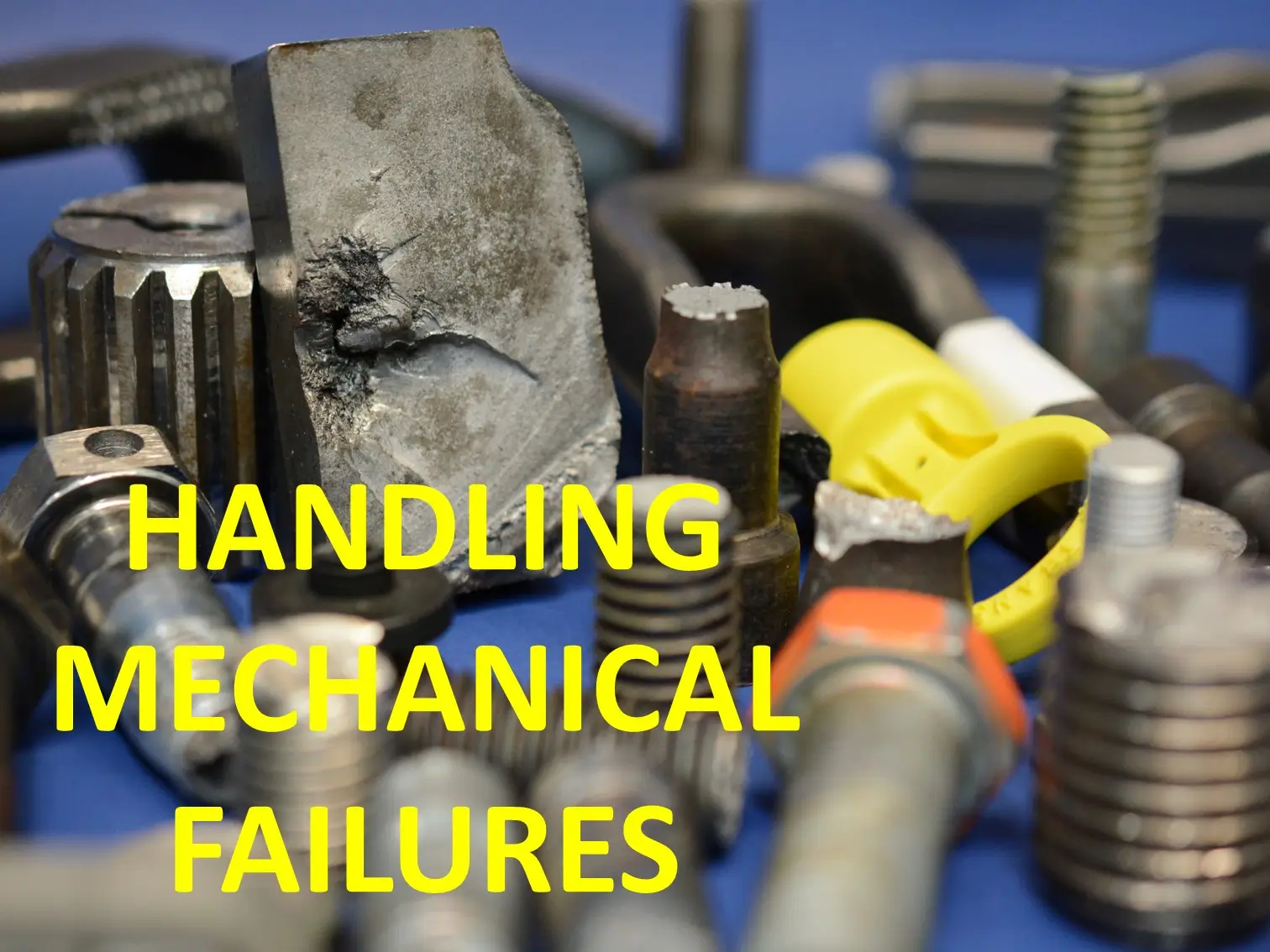
 Handling Mechanical Failures – In-Person Course
Hands-On Learning to Interpret Fracture Features
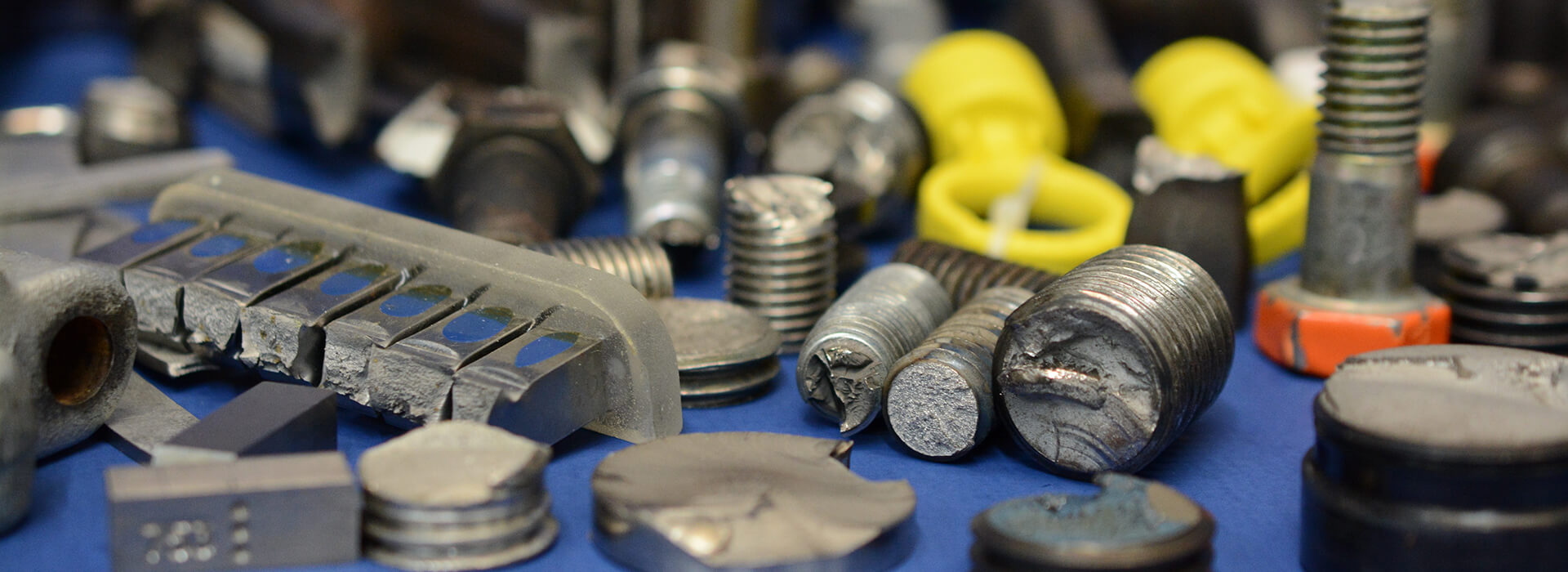
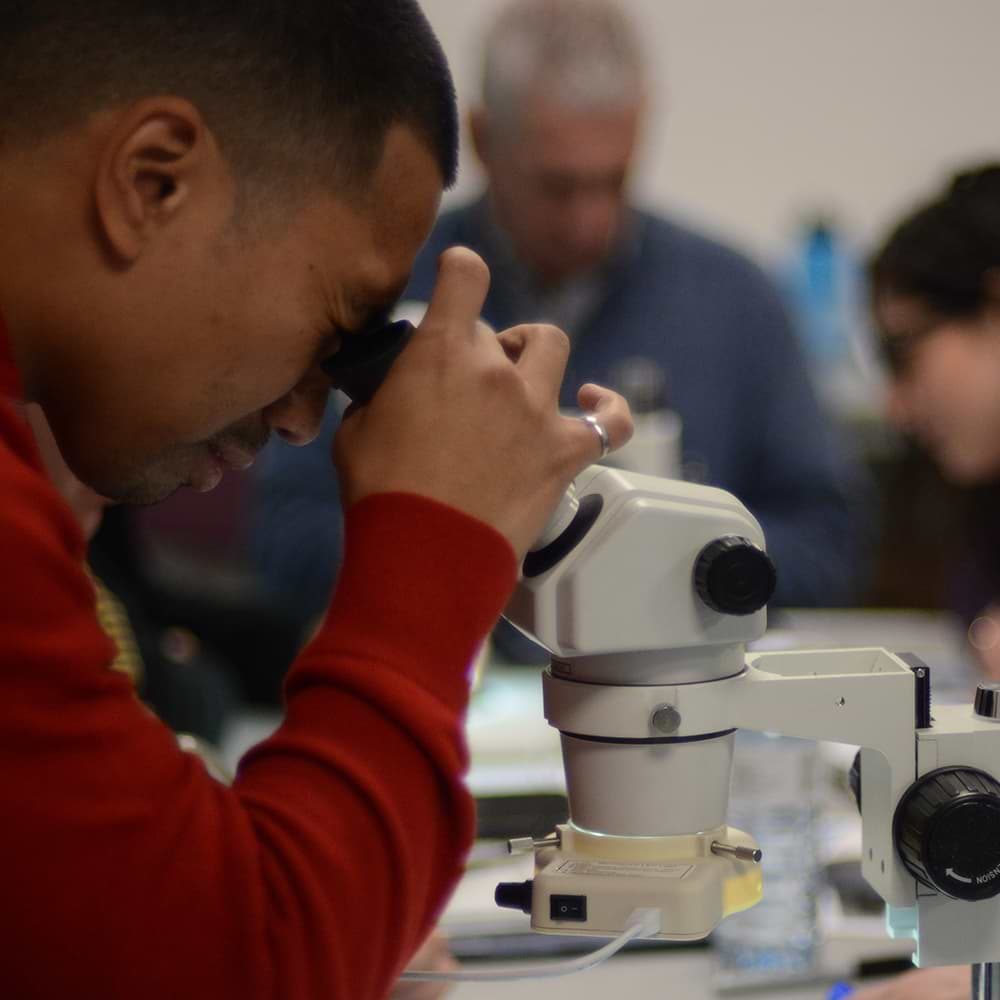
This is our flagship course. There is no better way to learn how to investigate failed parts than actually holding and studying broken parts. This course includes hands-on examination of fifty failed components to develop practical skills. Stereomicroscopes are provided to reveal the subtle details useful to diagnosis. After reviewing how to diagnose the different mechanical fracture modes, a series of failed parts are used to challenge participants and further expand their understanding.
Day course (8 hours CPD), in-person, $995/participant.
No courses currently scheduled.
Email to inquire to hold for your facility.
 Hydrogen Damage in Refining and Petrochemicals: Learning from Failures
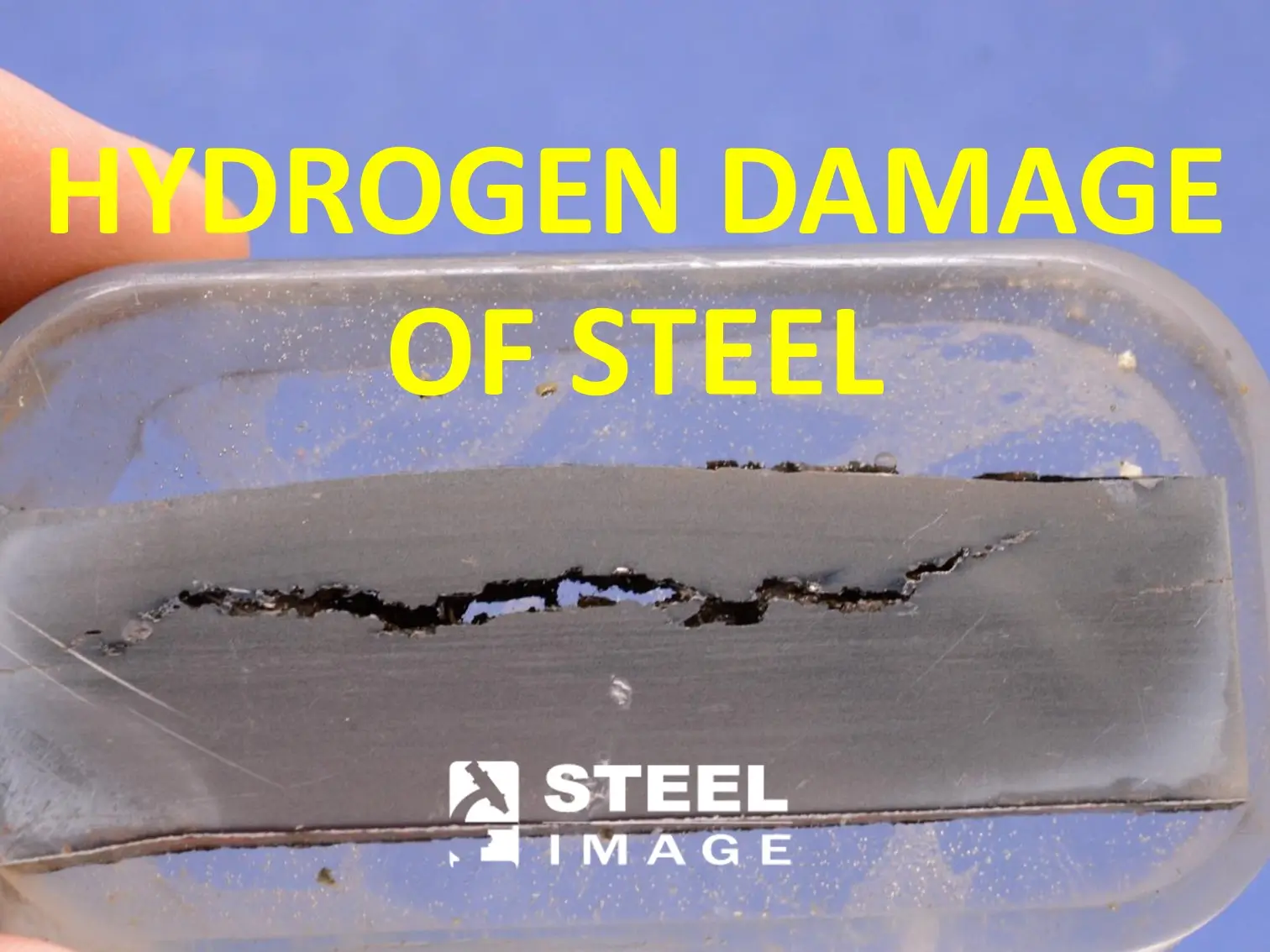
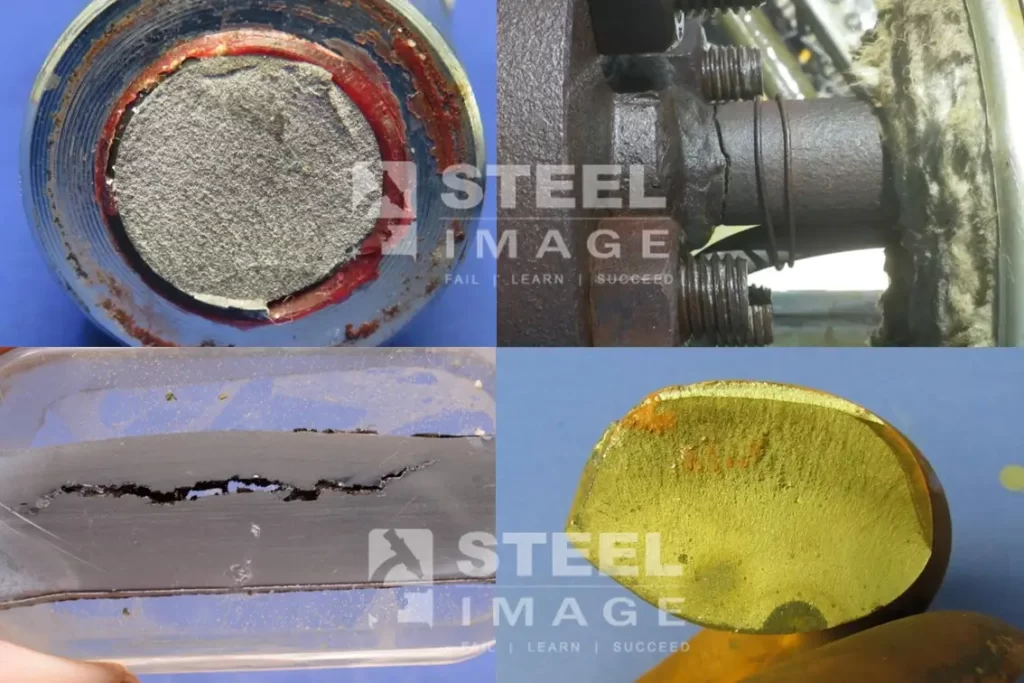
You can learn a lot from failure – but it is way better to learn from other’s failures than your own. This on-demand online course uses laboratory failure analysis cases to share lessons learned of how hydrogen damages steel within refineries and petrochemical facilities. In particular, case studies are used to review the conditions that cause hydrogen damage, illustrate how each mechanism damages steel and summarizes the strategies used to prevent it. Where helpful, cases from other industries are shared. By seeing back-to-back cases of hydrogen-based damage, the subtleties of how hydrogen attacks steel will become further apparent. Case studies include the following damage mechanisms:
- Hydrogen Embrittlement (HE)
- Sulfide Stress Cracking (SSC)
- Delayed Cracking after welding
- Hydrogen Induced Cracking (HIC)
- Hydrogen Blisters
- Stress Oriented Hydrogen Induced Cracking (SOHIC)
- High Temperature Hydrogen Attack (HTHA)
Four hours, online, $395/participant.
Only available through Inspectioneering.
 Water Corrosion Case Studies
Online Short Course
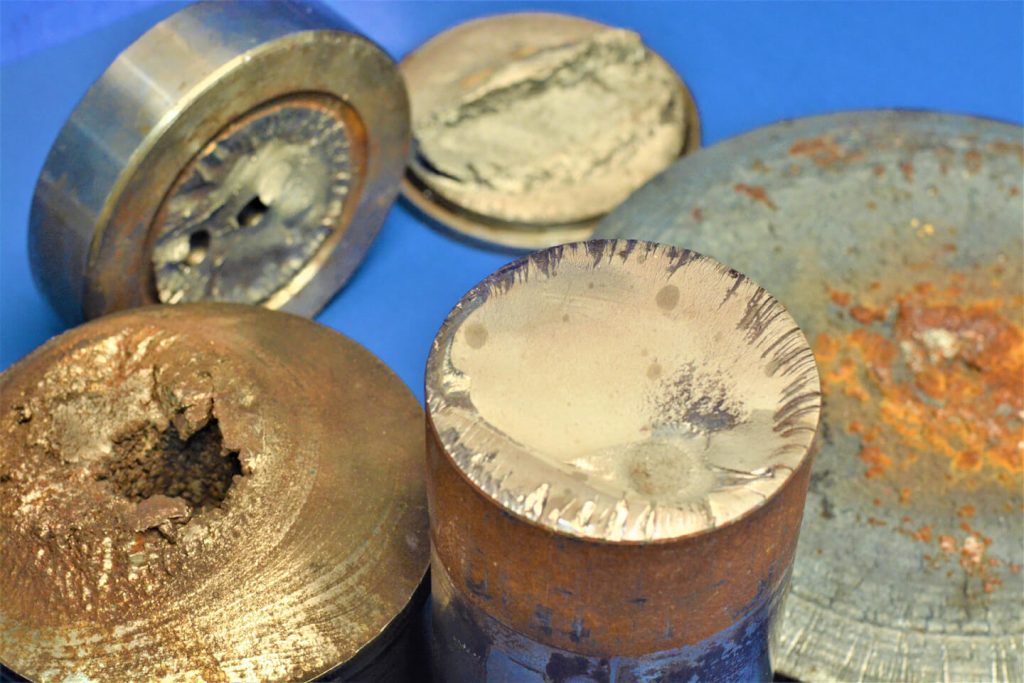
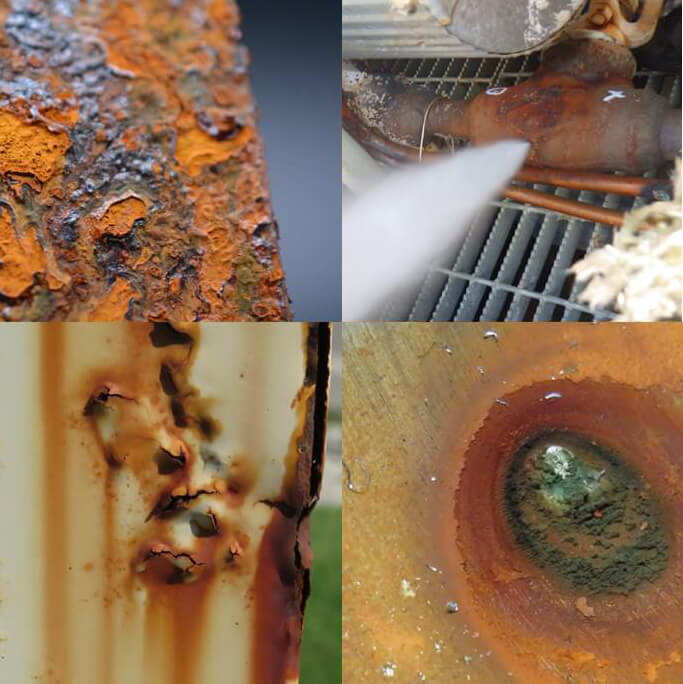
While literature by API, ASM and AMPP (formerly NACE) includes ample theory describing corrosion, we have LOTS of pictures. This online, 4hr course is an illustrated review of case studies of common water-based corrosion mechanisms. These cases are based upon laboratory analyses of failures experienced in the refining and petrochemical industries. Examples include general corrosion, CUI, MIC, erosion-corrosion, cavitation, caustic and phosphate corrosion. Perfect for continued professional development.
Course materials including a summary of the case studies will be mailed (mailing address required).
Four hours, online, $295/participant.
No courses currently scheduled.
Email to inquire to hold for your facility.

Decoding Mechanical Failures
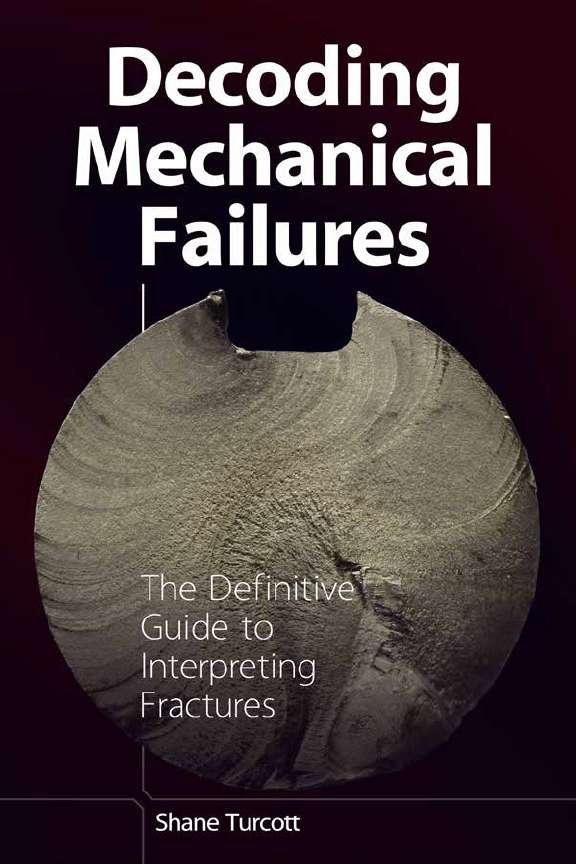
by S. Turcott
“Fractography is a subtle art that is not captured well in books” – Until now!
This course expands upon the topics in the book Decoding Mechanical Failures and is intended to mature knowledge into practical skills by:
- Providing more failed parts to hold, examine and learn from than most people see in years.
- Teaching how to use a stereomicroscope to recognize additional fracture features.
- Conducting exercises to simulate failure analysis investigations and developing preventative solutions.
Sign-Up
Stay current with upcoming webinars (free) and training schedules.